If you have ever tried to decide where to spend your advertising budget online, you have almost certainly faced this question: Google Ads or Meta Ads? Both platforms are powerful, both can deliver strong results, and both are widely used by businesses across Greece. But they work in fundamentally different ways — and choosing the wrong one for your specific goals can mean wasting a significant portion of your budget.
This guide breaks down the key differences between Google Ads and Meta Ads from the perspective of a Greek business owner or marketer, covering how each platform works, what it costs, who it works best for, and how to decide which one — or which combination — is right for your situation in 2026.
How Each Platform Works
Before comparing costs and results, it is important to understand the fundamental difference in how these two platforms operate — because this difference shapes everything else.
Google Ads: Capturing Demand
Google Ads is primarily a demand capture platform. When someone types “SEO consultant Athens” or “accountant Thessaloniki” into Google, they are actively looking for a solution. Your ad appears at exactly the moment they are searching — intercepting high-intent demand that already exists.
This is Google Ads’ greatest strength: you are not interrupting someone’s browsing experience with an ad they did not ask for. You are appearing precisely when they are looking for what you offer. For businesses where customers actively search for the product or service, this intent-based targeting is extraordinarily powerful.
Meta Ads: Creating Demand
Meta Ads — running across Facebook, Instagram, and the Meta Audience Network — work very differently. People on Instagram are not searching for your product. They are scrolling through their feed, watching Reels, or checking Stories. Your ad interrupts that experience and, if done well, creates interest in something they were not actively looking for.
Meta’s strength lies in its audience targeting capabilities and visual storytelling format. You can target people based on demographics, interests, behaviours, and life events — or build lookalike audiences based on your existing customers. For building brand awareness, launching new products, or reaching audiences who do not yet know they need your solution, Meta Ads can be remarkably effective.
The Greek Market Context
Understanding how Greek users interact with these platforms is essential for making the right investment decision.
Greece has very high social media penetration — Facebook and Instagram remain among the most-used platforms in the country, with particularly strong engagement on Instagram among the 25–44 age group that represents most business decision-makers and consumers with meaningful purchasing power. Facebook retains strong reach across older demographics and remains the dominant platform for community-based and local business advertising.
At the same time, Google dominates search in Greece just as it does everywhere in Europe. Greek consumers search Google before making almost every significant purchasing decision, from finding a local service provider to researching a major purchase. This means the search intent that Google Ads captures is just as present in Greece as in any other European market.
One important nuance for the Greek market: search volumes for many B2B and professional services keywords are lower in Greece than in larger European markets. This affects Google Ads budget requirements and means that for some niche professional services, Meta Ads — with their broader reach — may be necessary to generate sufficient lead volume at an acceptable cost.
Cost Comparison for Greek Advertisers
Cost is one of the most common questions Greek businesses ask when comparing these platforms. The honest answer is that it depends heavily on your industry, audience, and campaign objectives — but some general patterns hold true.
Google Ads Costs in Greece
Google Ads operates on a cost-per-click (CPC) model for search campaigns, meaning you pay each time someone clicks your ad. CPCs in Greece are generally lower than in the UK, Germany, or the US — which is good news for Greek advertisers. However, costs vary significantly by industry. Highly competitive sectors like legal services, insurance, and financial products command much higher CPCs, while local service businesses often find Google Ads remarkably cost-effective.
A realistic starting budget for Google Search Ads in Greece for a local service business is €300–€600 per month, though competitive industries may require €1,000 or more to generate meaningful volume. The key metric to watch is not CPC but cost per lead or cost per acquisition — what are you actually paying for each new customer or enquiry?
Meta Ads Costs in Greece
Meta Ads typically offer lower cost-per-thousand-impressions (CPM) than Google, making them more cost-effective for awareness and reach campaigns. However, because the audience is not in an active buying mindset, conversion rates from Meta Ads tend to be lower than from Google Search — meaning your cost per lead may end up comparable or higher, even if the cost per click is lower.
A realistic starting budget for Meta Ads in Greece is €200–€500 per month, with meaningful results typically requiring at least €300 to allow the algorithm sufficient data to optimise effectively. E-commerce businesses and consumer brands often find Meta Ads deliver excellent ROAS at these budget levels, while B2B service businesses typically find Google Ads more efficient for lead generation.
Which Platform Works Best for Each Business Type?
Rather than declaring one platform universally superior, the honest answer is that the right choice depends on your business type, audience, and objectives. Here is a practical guide for common Greek business categories.
Google Ads Works Better For:
- Local service businesses — plumbers, electricians, accountants, lawyers, dentists, mechanics. People search Google when they need these services urgently. High intent means high conversion rates.
- B2B services — when your target customer is a business decision-maker actively researching solutions (e.g. “HR software Greece”, “IT support Athens”), Google Search captures them at the perfect moment.
- High-consideration purchases — real estate, vehicles, insurance, professional services. Buyers research extensively on Google before committing.
- Seasonal demand spikes — if your business has predictable seasonal search demand (tourism, tax services, air conditioning installation), Google Ads lets you appear precisely when demand peaks.
Meta Ads Work Better For:
- E-commerce and retail — visually compelling products perform exceptionally well on Instagram and Facebook. Product catalogue ads and dynamic retargeting deliver strong ROAS for many Greek e-commerce businesses.
- Brand awareness — if you are launching a new brand or entering a new market, Meta Ads let you reach large audiences cost-effectively to build recognition before they start searching.
- Impulse and lifestyle purchases — fashion, food and beverage, fitness, travel, entertainment. Products people buy because they saw something appealing, not because they were actively searching.
- Retargeting — reaching people who have already visited your website but did not convert. Meta retargeting campaigns consistently deliver among the highest ROAS of any digital advertising tactic.
- Community and content-driven brands — if storytelling, community, and brand identity are central to your marketing, Meta’s format is far better suited than Google’s text-based search ads.
The Case for Using Both
For many Greek businesses with sufficient budget, the most effective strategy is not choosing between Google and Meta — it is using them together in a coordinated full-funnel approach.
A typical full-funnel approach works like this: Meta Ads build awareness and introduce your brand to a broad, well-targeted audience. Some of those people — now familiar with your brand — later search on Google for the service you offer. Your Google Ads capture them at that high-intent moment, and your brand familiarity from the earlier Meta exposure significantly increases the likelihood they click your ad and convert.
This combination — Meta for awareness and Google for conversion — consistently outperforms either platform used in isolation, provided your budget is sufficient to run both effectively. As a rough guide, if your total monthly advertising budget is €1,000 or more, a combined approach is almost always worth considering.
Key Metrics to Track on Each Platform
Measuring performance correctly on each platform requires tracking different metrics, because the platforms serve different purposes in the customer journey.
Google Ads Metrics
- Impression share — what percentage of eligible searches your ads are appearing for. Low impression share means you are missing opportunities.
- Click-through rate (CTR) — the percentage of people who click your ad when it appears. A strong CTR indicates your ad copy is relevant and compelling.
- Conversion rate — the percentage of clicks that result in a desired action (form submission, call, purchase). This is where the quality of your landing page becomes critical.
- Cost per conversion — the total cost divided by the number of conversions. This is the metric most directly connected to business ROI.
- Quality Score — Google’s rating of the relevance of your keywords, ads, and landing pages. Higher Quality Scores lead to lower CPCs and better ad positions.
Meta Ads Metrics
- Reach and frequency — how many unique people your ads are reaching, and how often each person is seeing them. High frequency without results signals creative fatigue.
- Cost per result — the cost of achieving your campaign objective, whether that is a click, lead, purchase, or video view.
- ROAS (Return on Ad Spend) — for e-commerce, the revenue generated for every euro spent on ads. A ROAS of 3x or higher is generally considered healthy.
- Creative performance — which images, videos, and copy combinations are driving results. Meta’s algorithm favours strong creative, and testing multiple variations is essential.
- Attribution — understanding which touchpoints in the customer journey are being credited for conversions, and whether Meta’s attribution window aligns with your actual sales cycle.
Common Mistakes Greek Businesses Make with Both Platforms
- Starting with too small a budget — both platforms require sufficient data to optimise. Running Google Ads with €50/month or Meta Ads with €100/month is unlikely to generate meaningful results and gives you no ability to test or iterate.
- Sending traffic to a weak landing page — the best ad campaign in the world cannot overcome a slow, unclear, or unpersuasive landing page. Your conversion rate on the page matters as much as the quality of your traffic.
- Not installing proper tracking — running ads without Google Analytics 4 and the Meta Pixel correctly configured means you are flying blind. Proper conversion tracking is non-negotiable before spending significant budget.
- Set and forget — both platforms require active management. Bids, audiences, creative, and budgets all need regular review and optimisation to maintain and improve performance.
- Ignoring creative quality on Meta — low-quality images or uninspiring video will not stop the scroll on Instagram or Facebook. Creative quality is disproportionately important on Meta compared to Google.
- Targeting too broadly or too narrowly on Meta — casting the net too wide wastes budget on irrelevant audiences; targeting too narrowly limits reach and drives up costs. Finding the right audience size requires testing and experience.
My Recommendation for Greek Businesses in 2026
After managing paid media campaigns for businesses across Greece and Europe, here is my practical recommendation based on where you are in your growth journey.
If you are just starting with paid advertising and have a limited budget (under €600/month): start with Google Search Ads if you offer a service people actively search for, or Meta Ads if you sell a visual product or need to build brand awareness first. Do not split a small budget across both platforms — concentration delivers better results at this stage.
If you have a moderate budget (€600–€2,000/month): test Google Search Ads first to capture existing demand, then add Meta retargeting to re-engage website visitors. This combination is highly efficient and gives you a full-funnel presence without requiring a large budget.
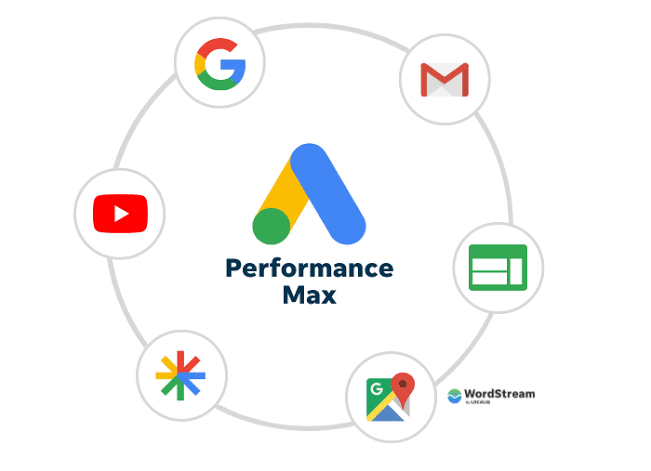
If you have a larger budget (€2,000+/month): invest in a full-funnel strategy — Meta for awareness and top-of-funnel, Google Search for conversion, Google Shopping or Performance Max if you are in e-commerce, and Meta retargeting for bottom-of-funnel. Treat the platforms as complementary, not competing.
Regardless of budget, invest in proper tracking before you spend your first euro. Without accurate conversion data, you cannot make intelligent optimisation decisions — and you will have no way of knowing whether your advertising is actually working.
Final Thoughts
Google Ads and Meta Ads are not competitors — they are complementary tools that, used well, cover different and equally important parts of the customer journey. The best choice for your Greek business depends on your industry, audience, objectives, and budget, and in many cases the answer is a thoughtful combination of both.
If you would like help developing a paid media strategy tailored to your specific business and the Greek market, I would be happy to discuss your goals and how to allocate your budget for maximum impact. Get in touch for a free 30-minute consultation, or learn more about my digital marketing services.
15+ years helping businesses across Europe grow their online presence through strategic digital marketing, SEO, and data-driven execution.
About Nikolaos →